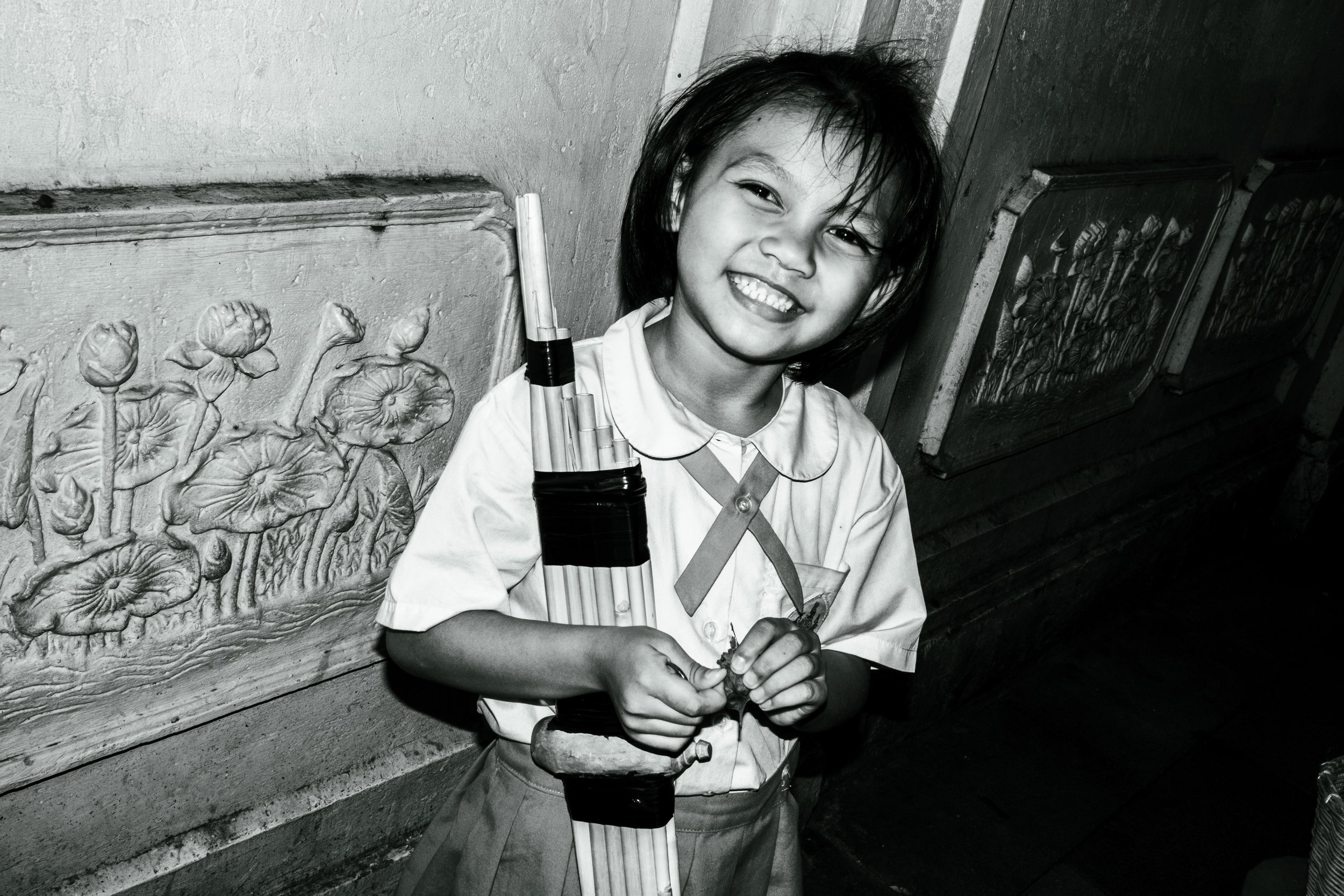
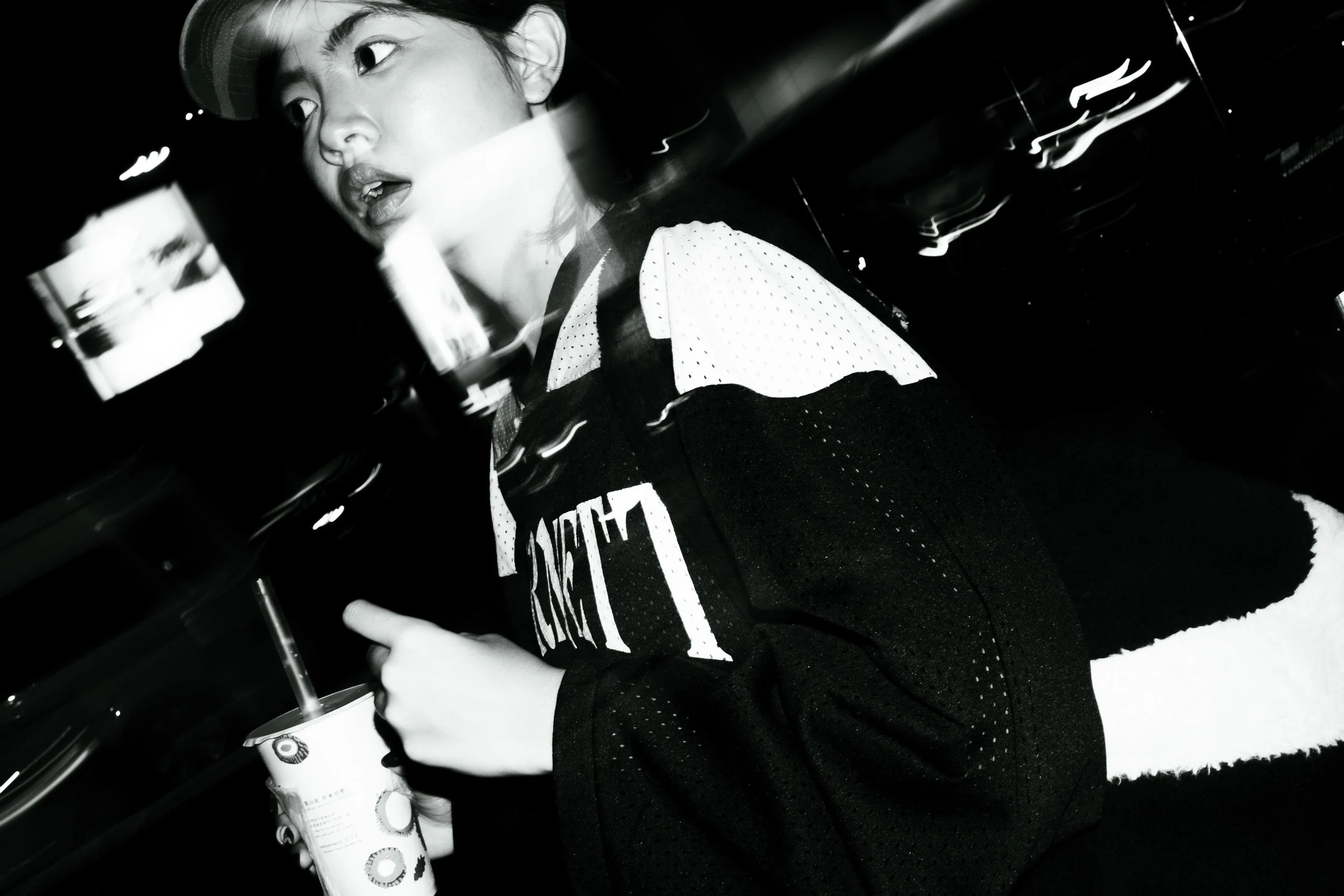
HOW & WHY THE GREATS OF STREET PHOTOGRAPHY USED FLASH & MAYBE WE SHOULD TOO…
Flash has always been a confusing tool for me in street photography, but some of the greatest photographers in history relied on it to create powerful, unforgettable work. Understanding why they used flash, how they used it, and what makes it so effective can change the way you approach the street. This guide breaks down the controversy, the techniques, and the lessons we can learn from flash-based street photography.
Shooting Street Photography With Flash: First Impressions
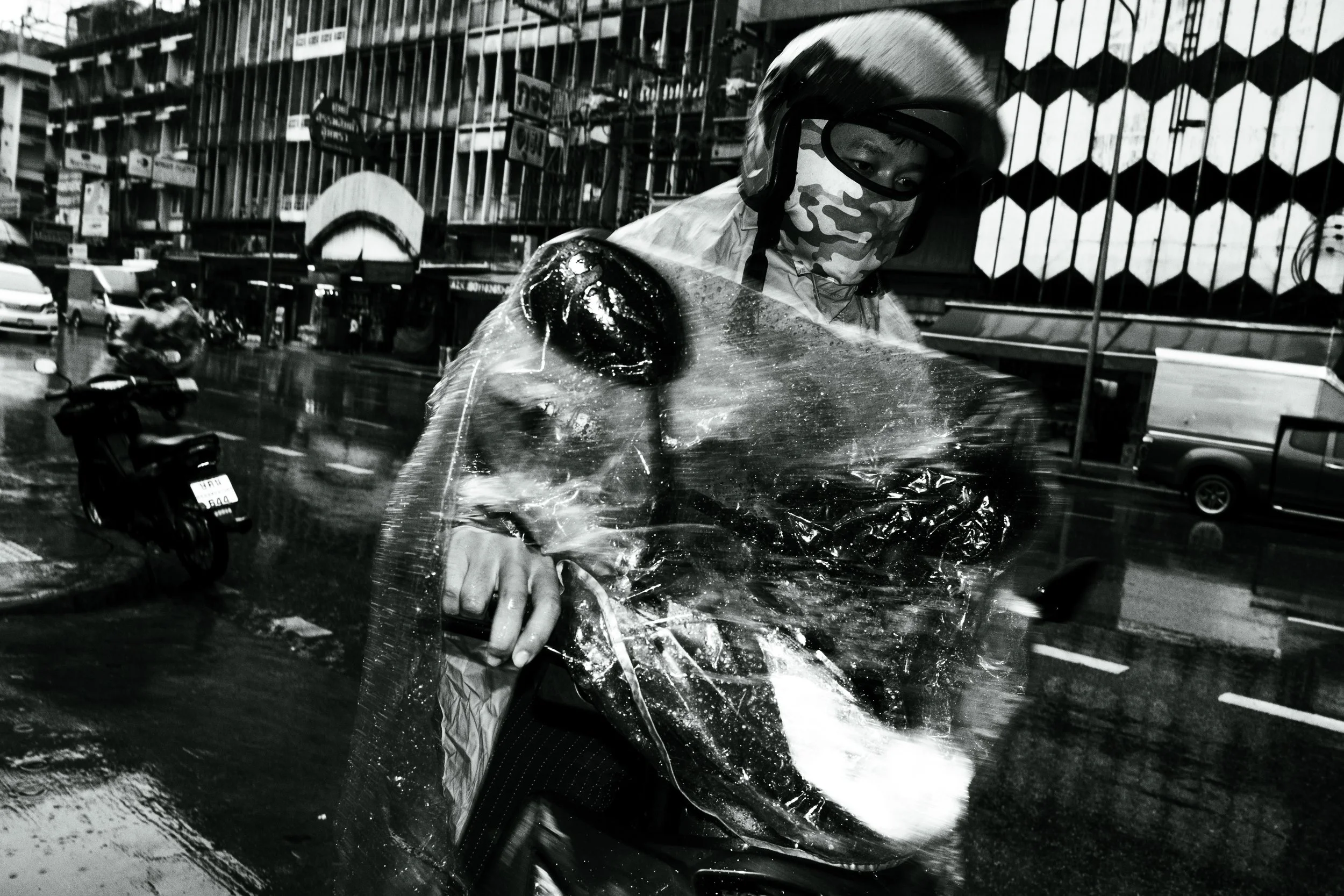
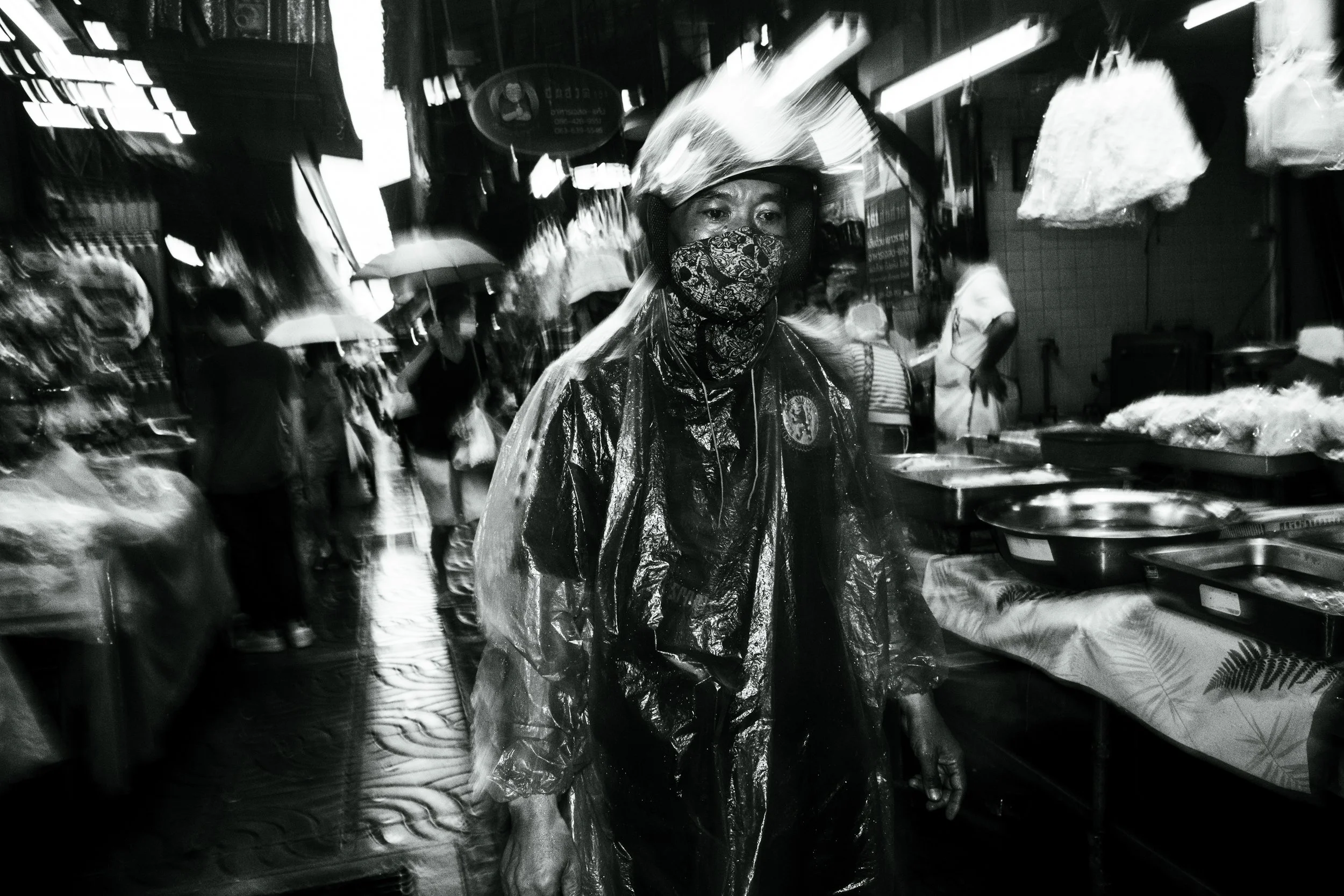
One of the biggest reasons I haven’t shot much street lately is simple: nonstop rain. After a full workday, it’s hard to get motivated when I know I’ll get drenched. But the rain creates scenes and opportunities that don’t exist on clear days.
Once I pushed myself to shoot, I found details and moments that were worth the discomfort. The only major downside was having to use a plastic bag to keep my camera dry, which fogged constantly and made composing difficult. Even so, the experience was worth it.
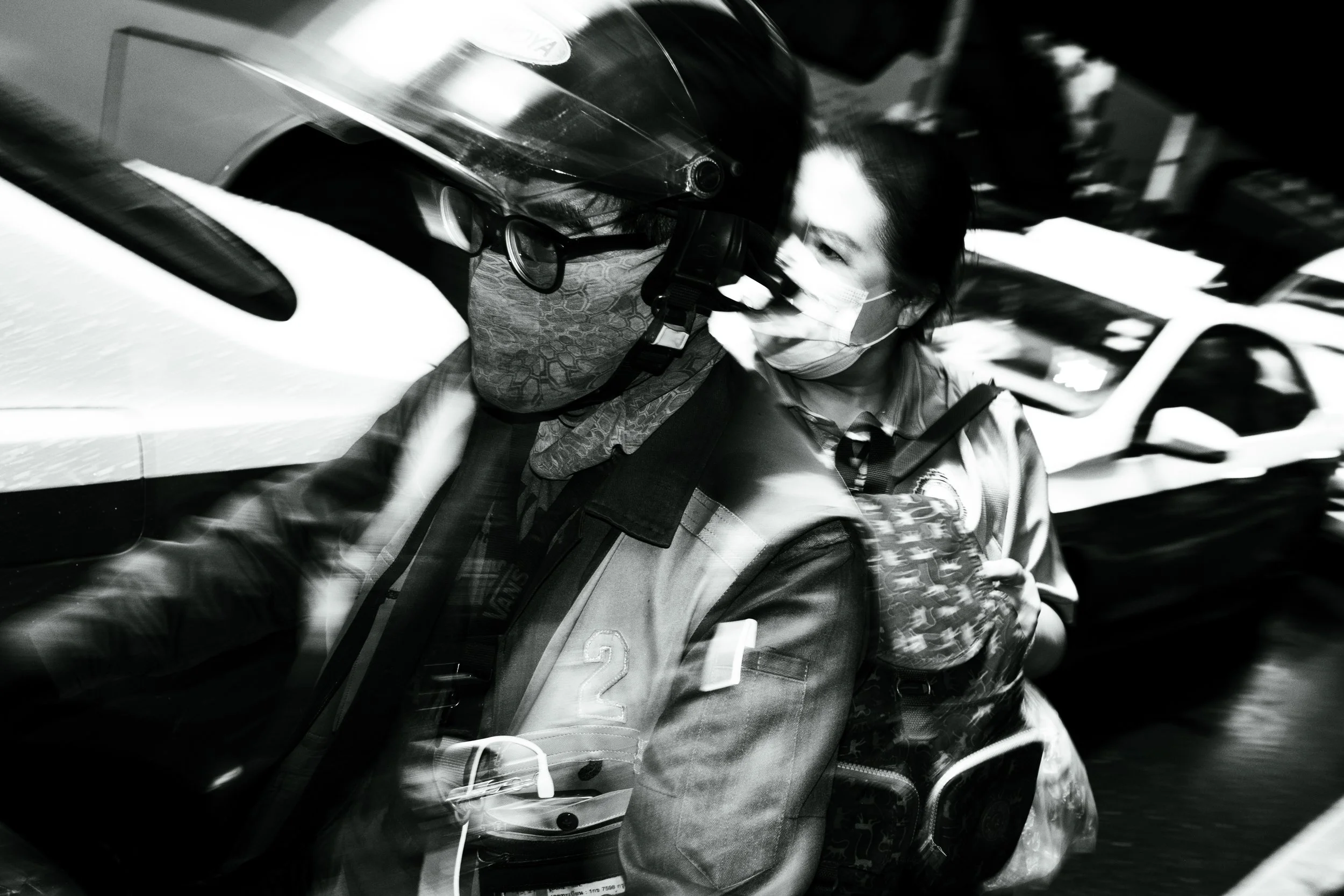
Flash Inspiration: Tavepong Pratoomwong & Songkran
Tavepong Pratoomwong inspired me to shoot in these conditions. His Songkran photographs from Thailand show how strong flash can be when paired with water, reflections, and chaos. His work reveals the real potential of using flash in extreme weather or wet environments.
Benefits of Using Flash in the Rain
Shooting flash in rain-heavy environments has advantages:
• Fewer people on the street means more separation between subjects
• Normally crowded areas become usable
• Vibrant rain jackets, neon reflections, and wet surfaces create unique colors
Chinatown’s alleys are usually overcrowded, but in the rain I could isolate subjects in ways that are impossible on normal days. Even as someone who rarely shoots color, I immediately saw how flash amplifies saturation and drama.

Learning From Bruce Davidson’s Subway Project
Bruce Davidson’s Subway project is a major influence on flash-based street work. Many of his images use flash to cut through darkness and create intense, raw portraits of life underground. He didn’t use flash for every frame, but when he did, the results were iconic.
His approach made me reconsider locations in Bangkok that I normally would ignore. Flash changes what’s possible in dim or chaotic environments.
The Flash Controversy: Is It Invasive?
Flash gets a bad reputation in street photography. It seems aggressive. It seems confrontational. And it definitely can be when used poorly.
But in my own experience, almost no one cared. Out of hundreds of people, exactly one person asked me to delete a photo — and I did. The interaction ended there.
Flash becomes “controversial” mostly when photographers:
• Get too close
• Enter personal space
• Move with hostile or predatory energy
The technique itself isn’t the issue; the behavior surrounding it is.
Mark Cohen and the Perception of Invasion
Mark Cohen is famous for being extremely close and intrusive. Yet behind-the-scenes footage shows something surprising: most people barely react. They look confused or curious, but not angry.
His goofy demeanor seems to soften the interaction. Many photographers who copy his approach fail because they bring a tense, uncomfortable vibe to the situation. Flash is only part of the equation — the photographer’s presence matters more.
Shooting Flash Up Close: My Experience
I wasn’t nearly as close as Cohen, which probably explains why I avoided negative reactions. But even without close contact, I found huge value:
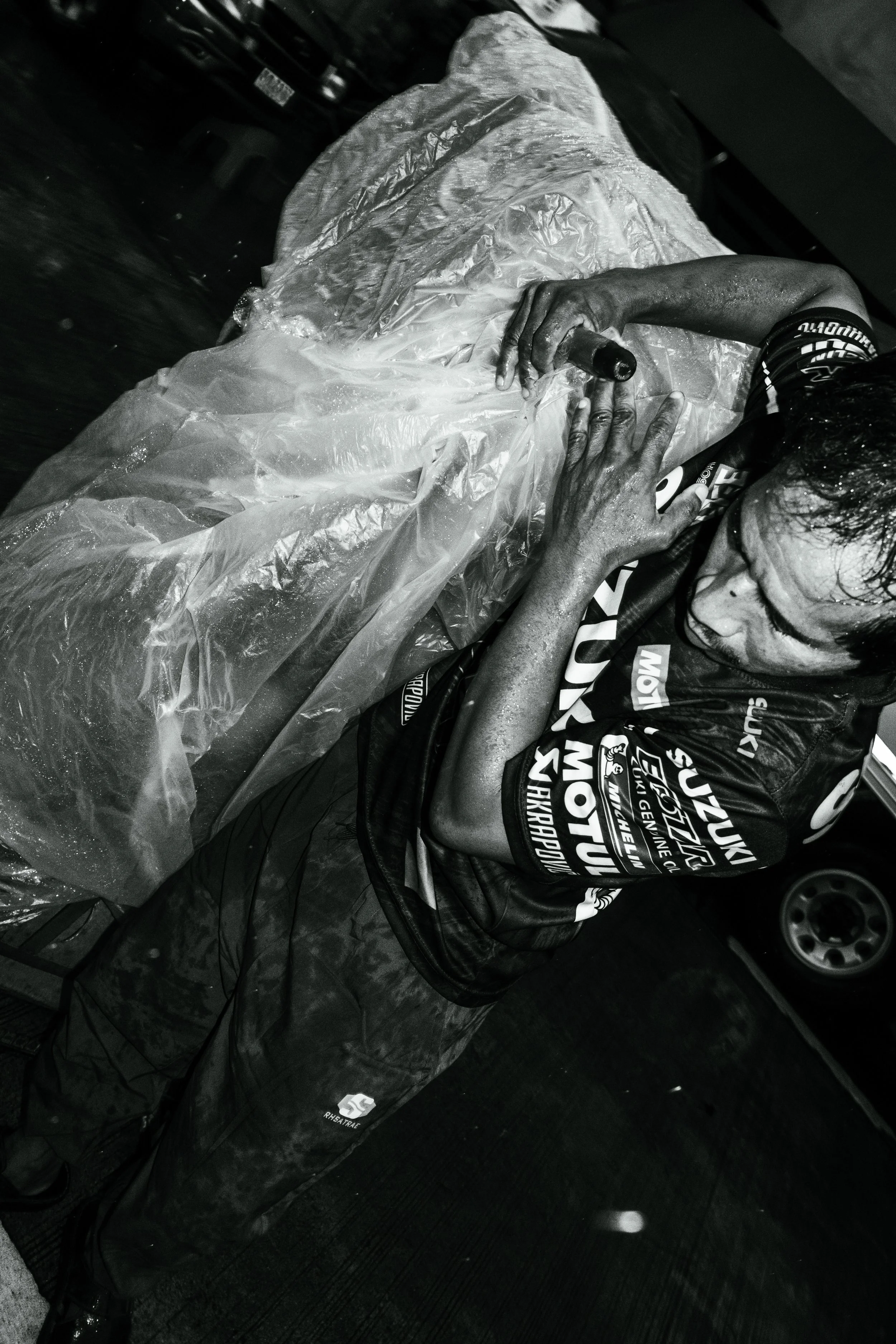
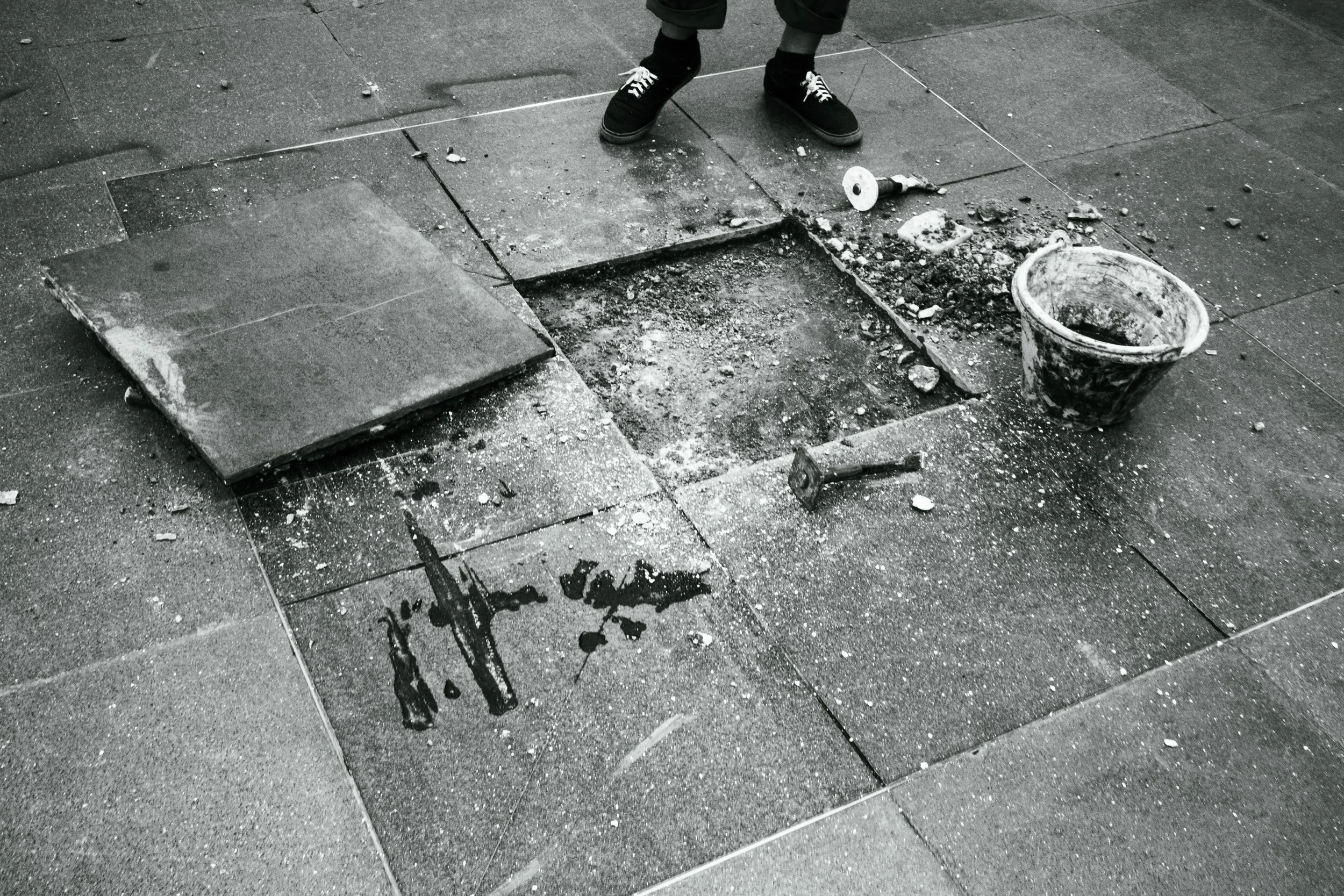
• Flash brings inanimate objects to life
• Everyday scenes become cinematic
• Texture, shape, and color are amplified
• Image ideas appear that don’t exist in natural light
Flash makes objects and environments feel animated in a way that’s difficult to describe. It sparks ideas for completely new projects.
Martin Parr and Ring Flash Surrealism
Martin Parr’s Real Food project is a perfect example of how flash can transform the mundane. Using a ring flash and macro lens, he turned everyday meals into strange, humorous, hyper-detailed scenes.
This style carries over into his other work and demonstrates how flash can make ordinary subjects visually bizarre, graphic, or comical.
Bruce Gilden: The Most Polarizing Use of Flash
Bruce Gilden is impossible to ignore in any conversation about flash street photography. He is widely criticized online and often held up as the example of what not to do.
But the reality is more complex:
• Some of his work is incredibly powerful
• Some of it is questionable
• All of it is unmistakably his
Gilden’s influence is undeniable whether you admire him or reject his methods. He’s proof that flash creates a bold, instantly recognizable style.


Shooting Flash at Night: Challenges and Lessons
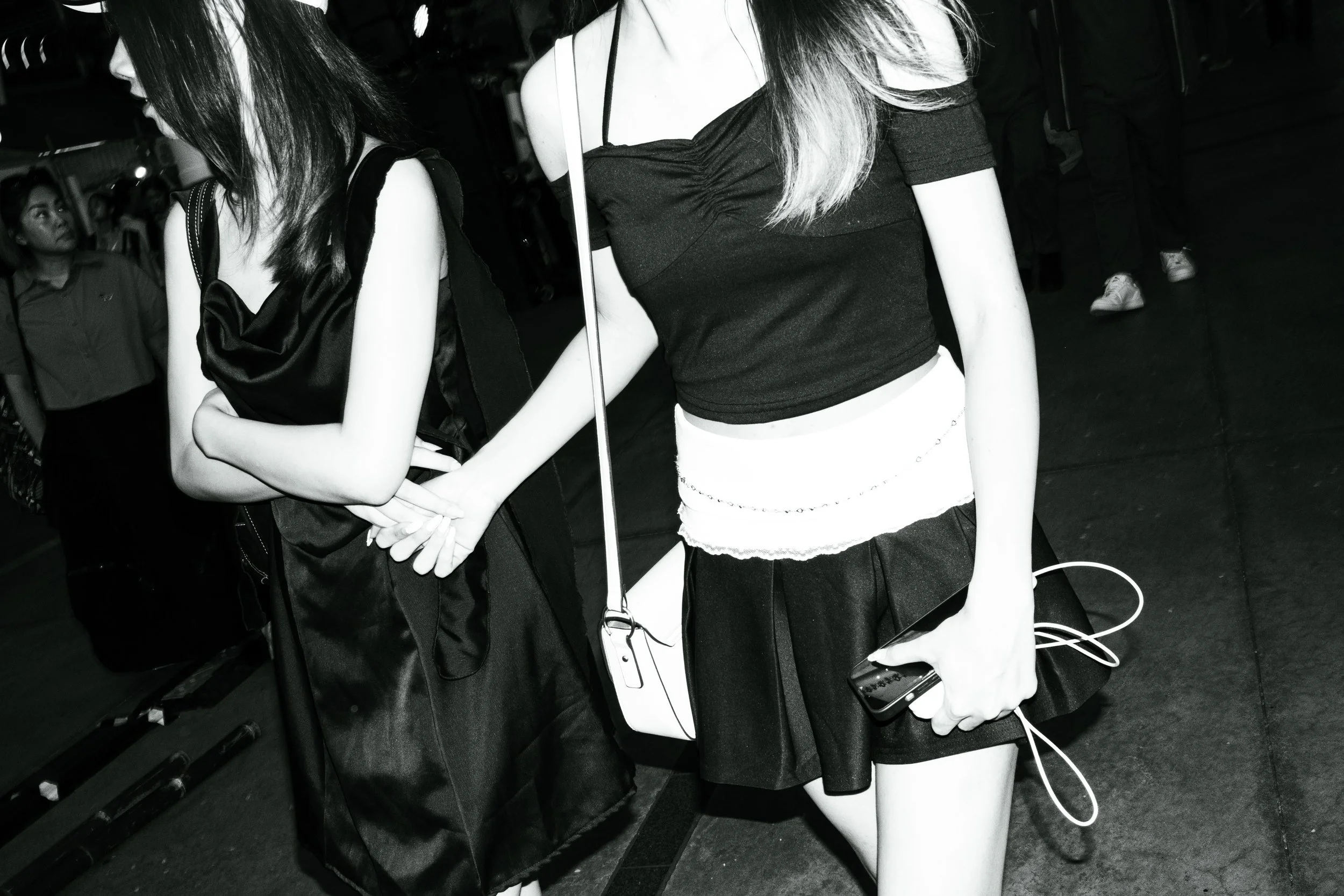
Shooting at night in Bangkok is tricky. Only a few locations have enough activity to make flash interesting without making the act feel intrusive or uncomfortable. I found the repetition boring, since I kept walking the same loops with few results.
What did stand out, though, was shutter drag combined with flash. When used correctly, it creates streaks of light and a sense of movement. I’m still figuring out which backgrounds work best for it, but the potential is huge.
Extreme Contrast and the “Otherworldly” Look
Flash creates stark contrast between foreground and background. This is one of the biggest reasons Japanese photographers have used it so effectively. Flash can make scenes feel:
• Nightmarish
• Dynamic
• Otherworldly
• Electric
The biggest challenge for me was shooting from the hip in fast-moving situations. Many frames were awkward or poorly composed. Still, even the “accidents” taught me how important background light is — small changes create massive differences in the final shot
Tatsuo Suzuki: Controlled Chaos
Tatsuo Suzuki is one of my biggest influences, and his work demonstrates how powerful flash can be when combined with motion, tension, and ambient chaos. If you're new to his photography, I have an entire video analyzing his approach.
Should You Try Flash Street Photography?
Trying new techniques is essential if you want to grow. Flash isn’t for everyone. If the potential interactions make you uncomfortable, that’s OK. But if this breakdown made you reconsider, I think it’s worth trying.
Flash can:
• Change how you see the street
• Expand your creative vocabulary
• Push you out of habits
• Reveal scenes that natural light hides
• Give your work a unique visual identity
It might be the exact spark you need to create something original.