Is Gear Acquistion Syndrome REALLY a Problem? My Experience with the Insta360 Ace Pro II
Get the Insta360 Ace Pro 2 with code DEVTANK here
If you're a photographer, filmmaker, or really any kind of content creator; chances are you own way more cameras than you need and they aren't all that different from one another. Gear acquisition syndrome is a problem for many photographers; myself included, but there is a way where it's less of a problem and more of a solution. That solution is when the gear leads to real change in what you create. Experimentation is a key part of making progress in any art form. Many of the greats of street and documentary photography have moved onto new methods of creating work later in their careers that allowed them to keep going, keep growing, and in some instances find completely new workflows that changed their photography entirely. Today, I want to walk you through some of those experiments while also taking on an experiment of my own with the insta360 Ace Pro 2 camera and printer combination to see if I can use it to change what I make while examining how legends have done similar things.
GOAL ONE:
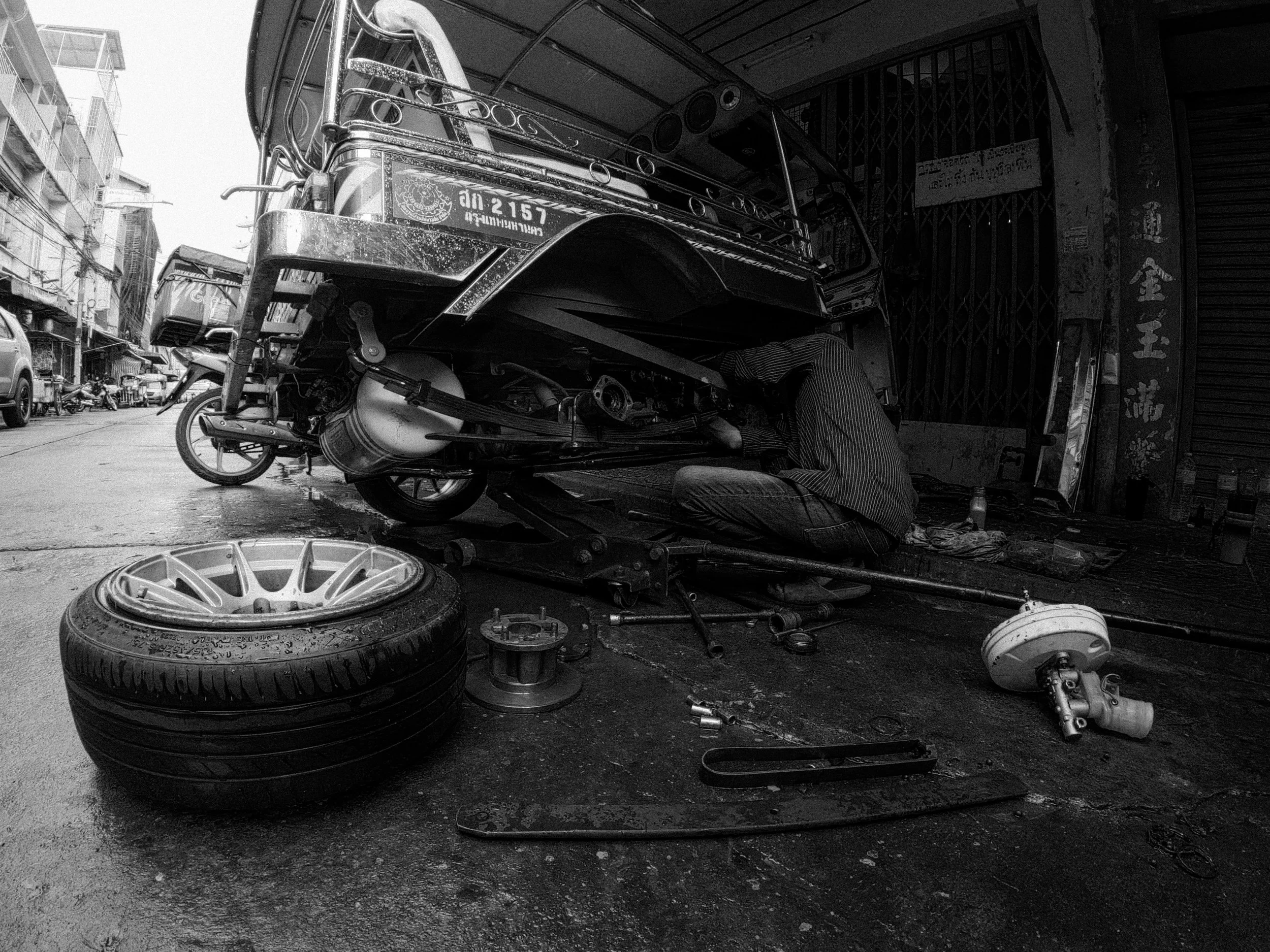
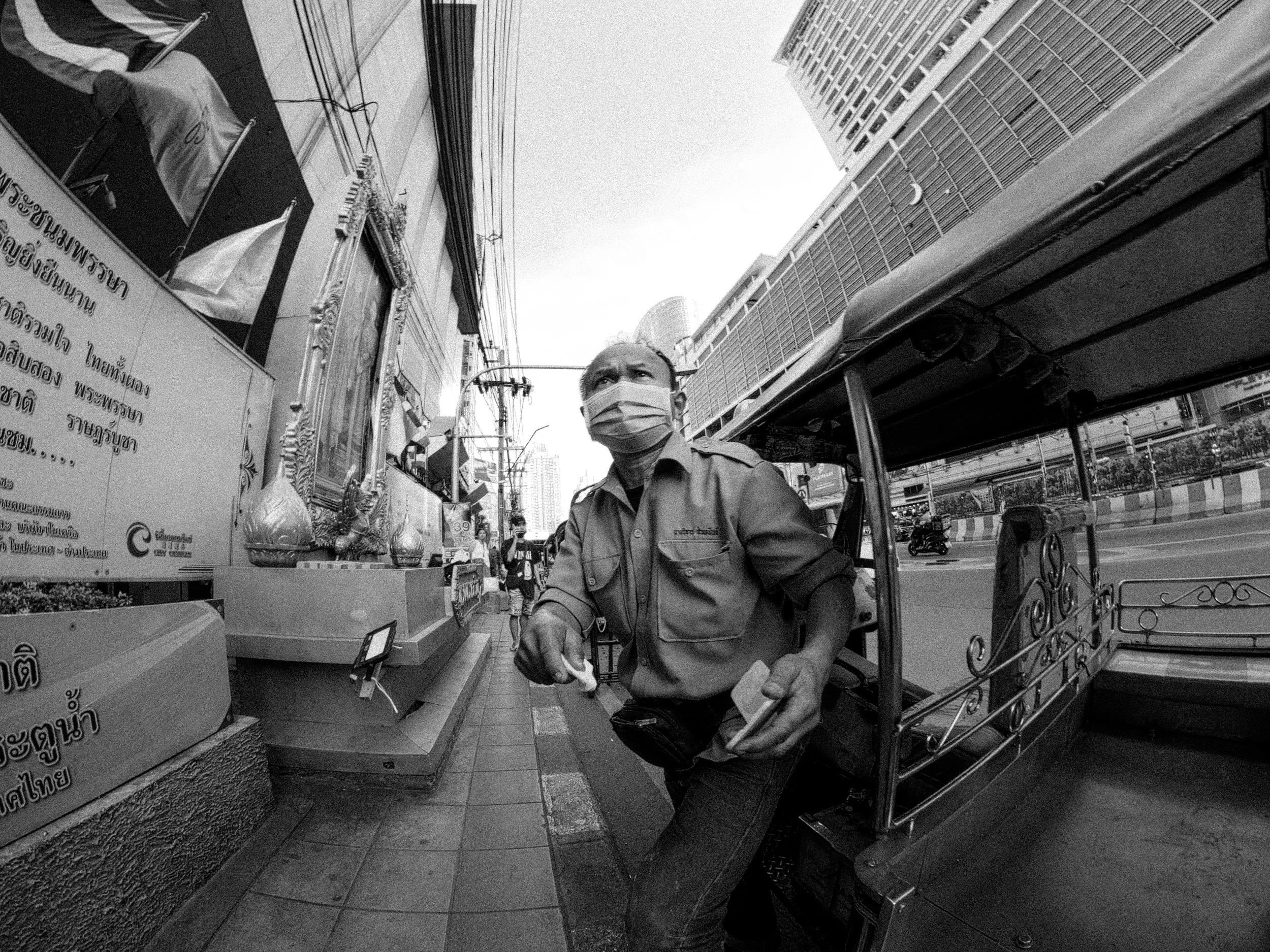
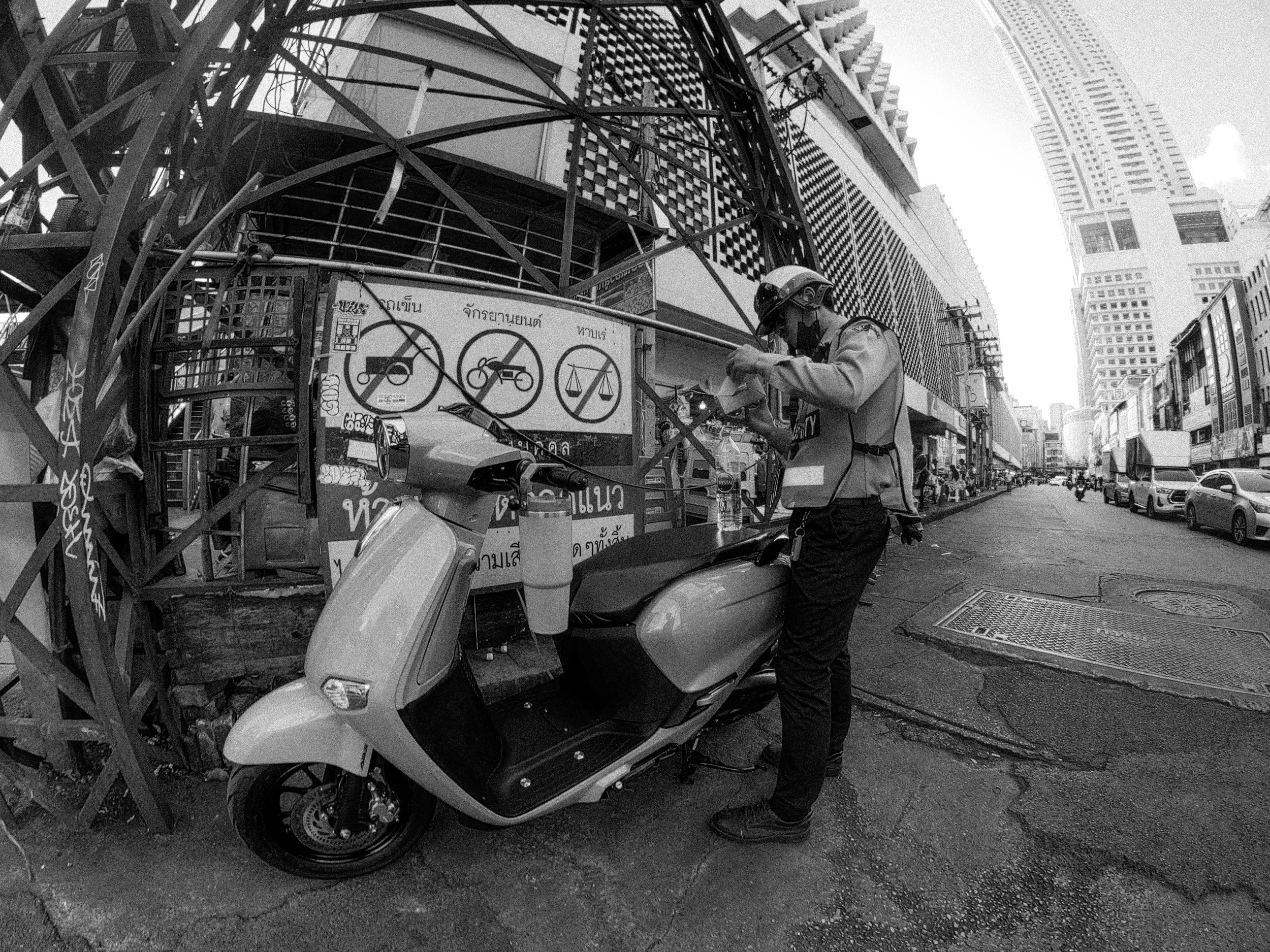
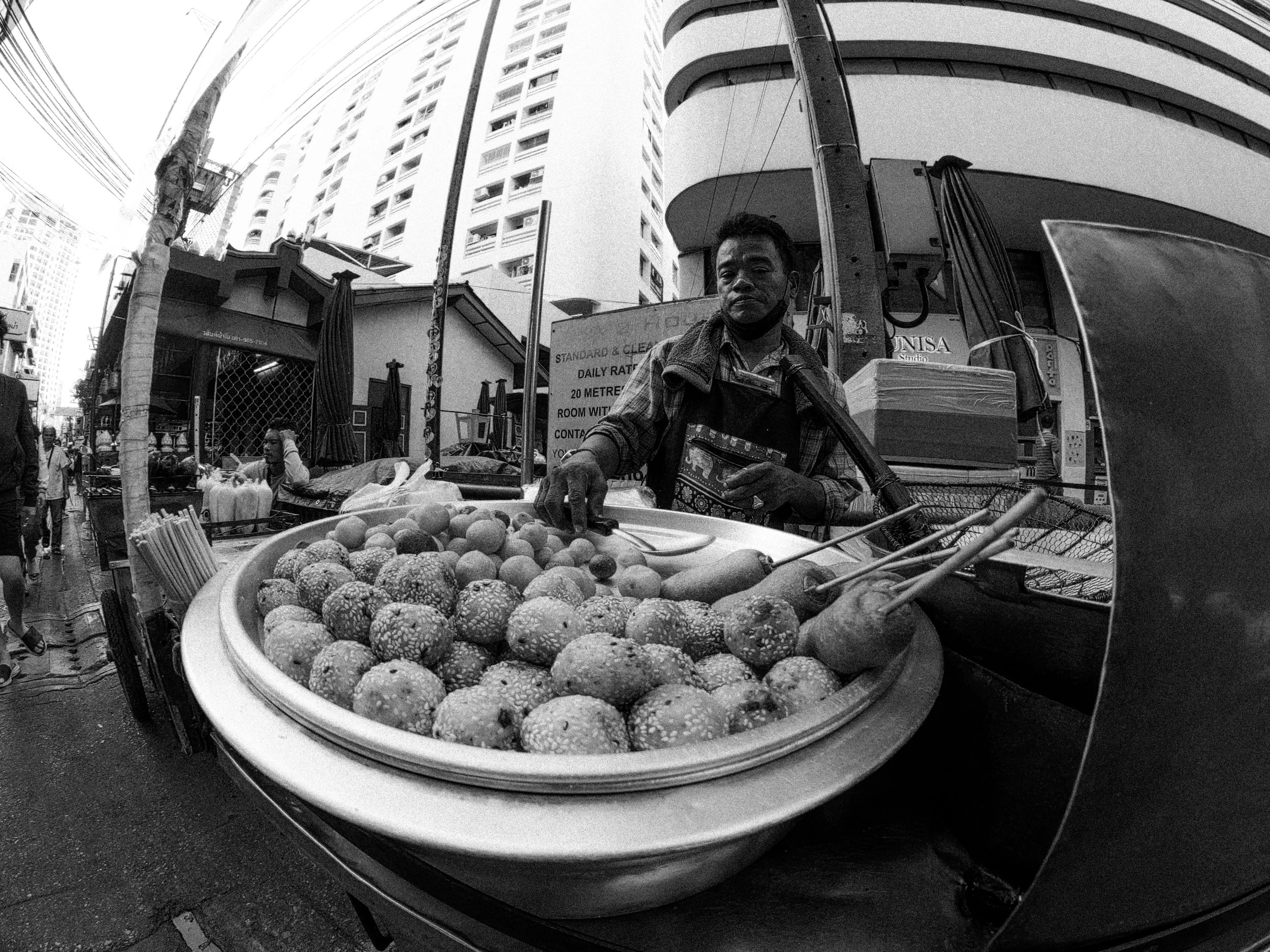
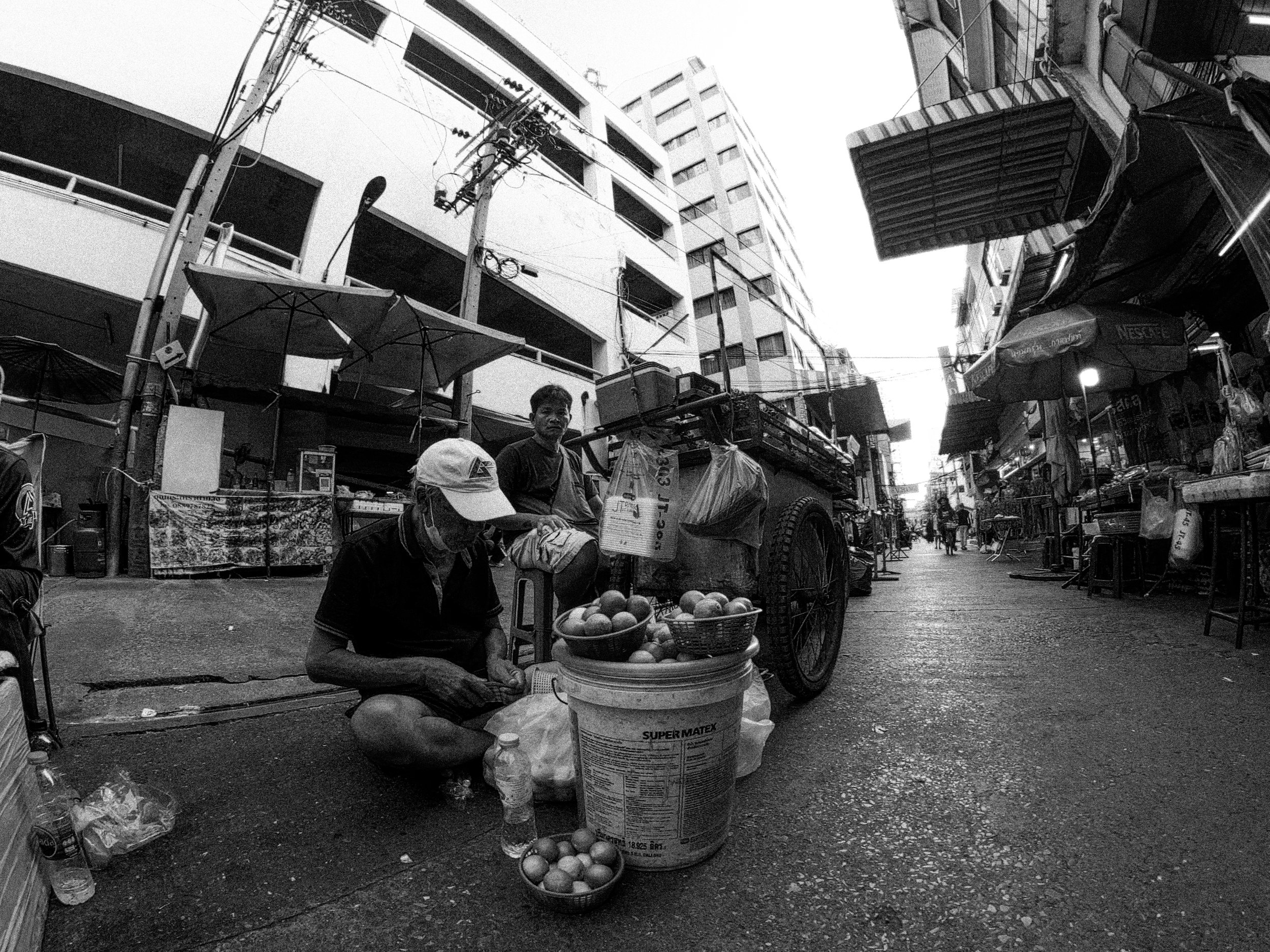
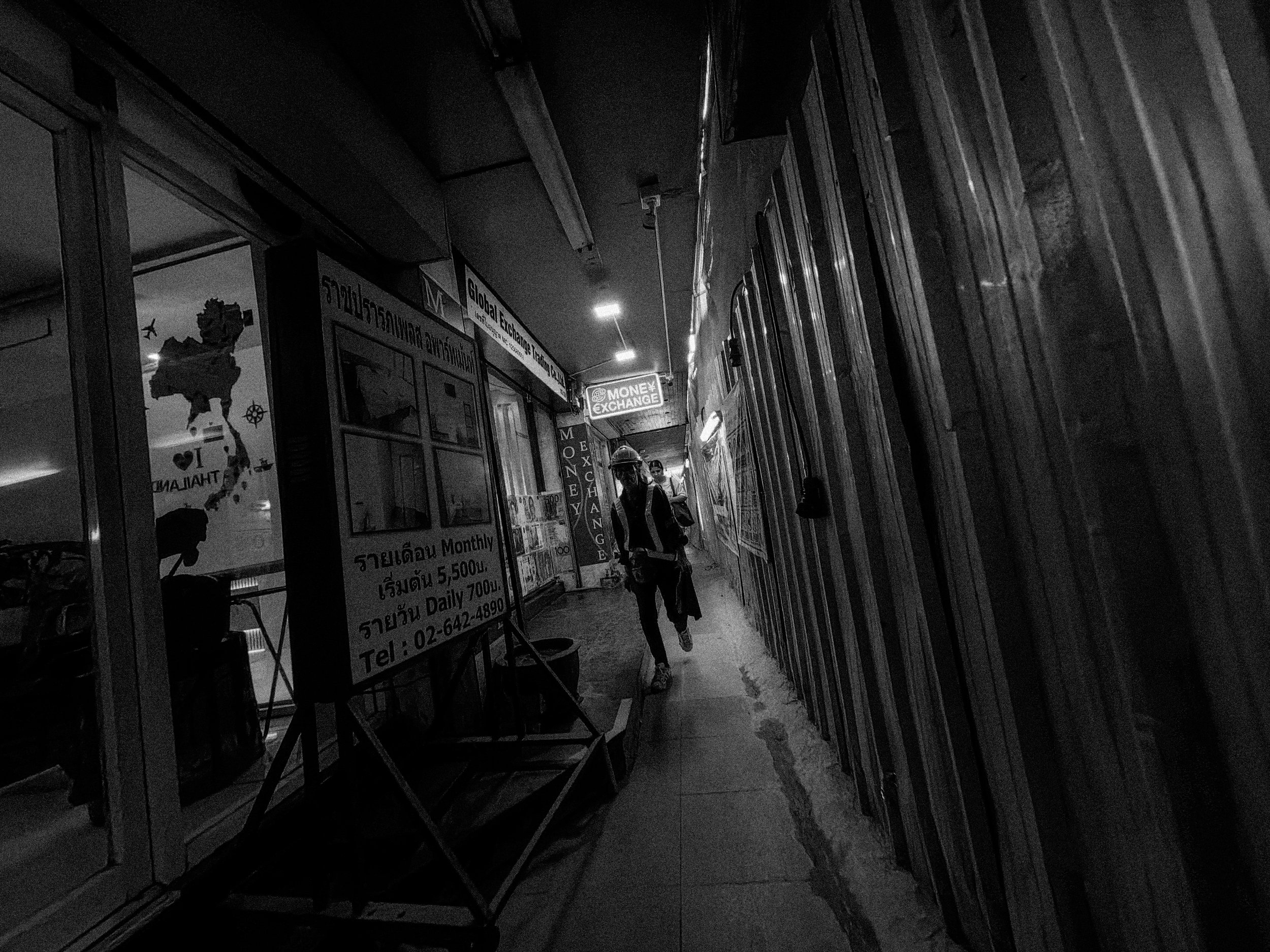
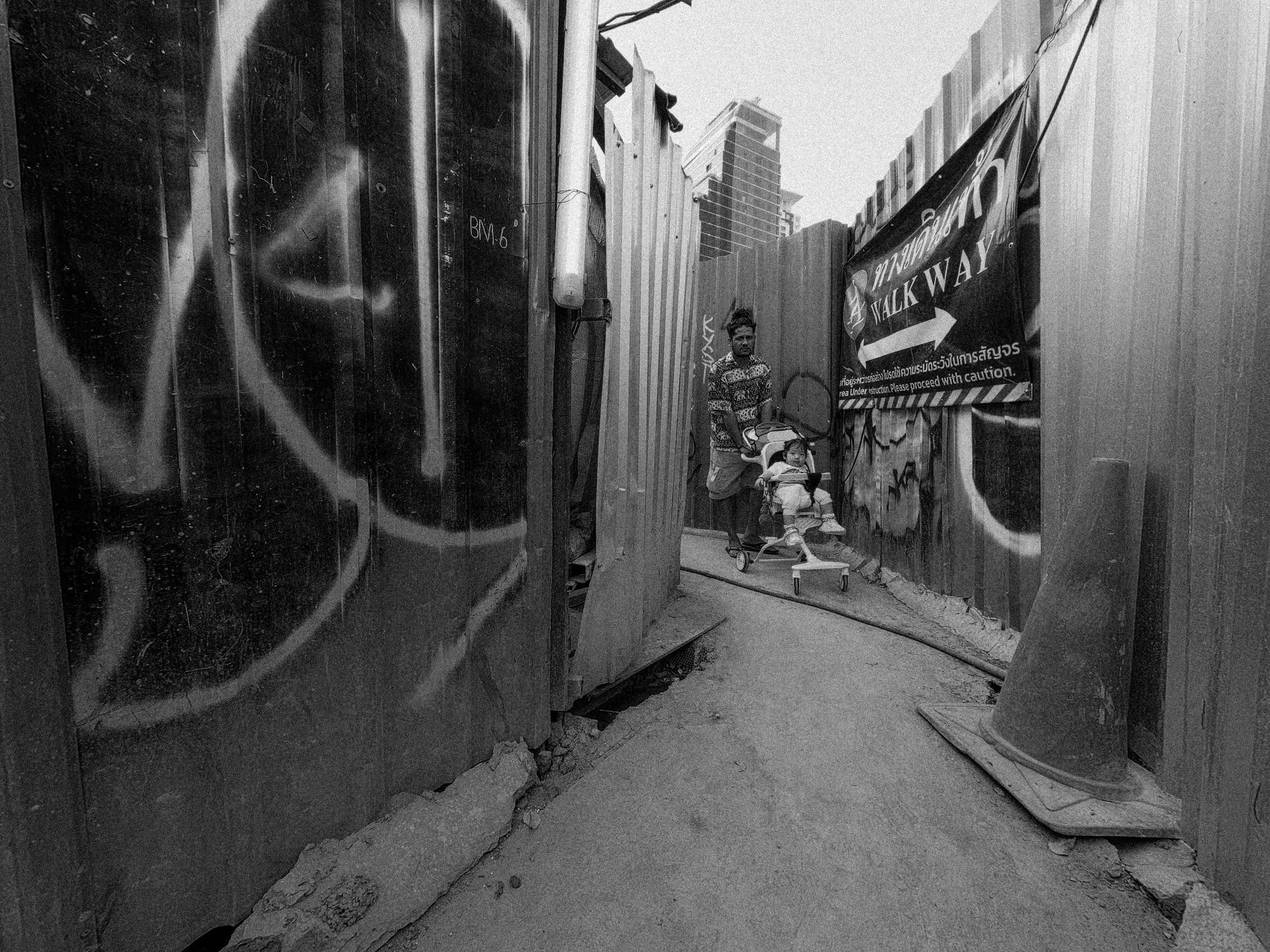
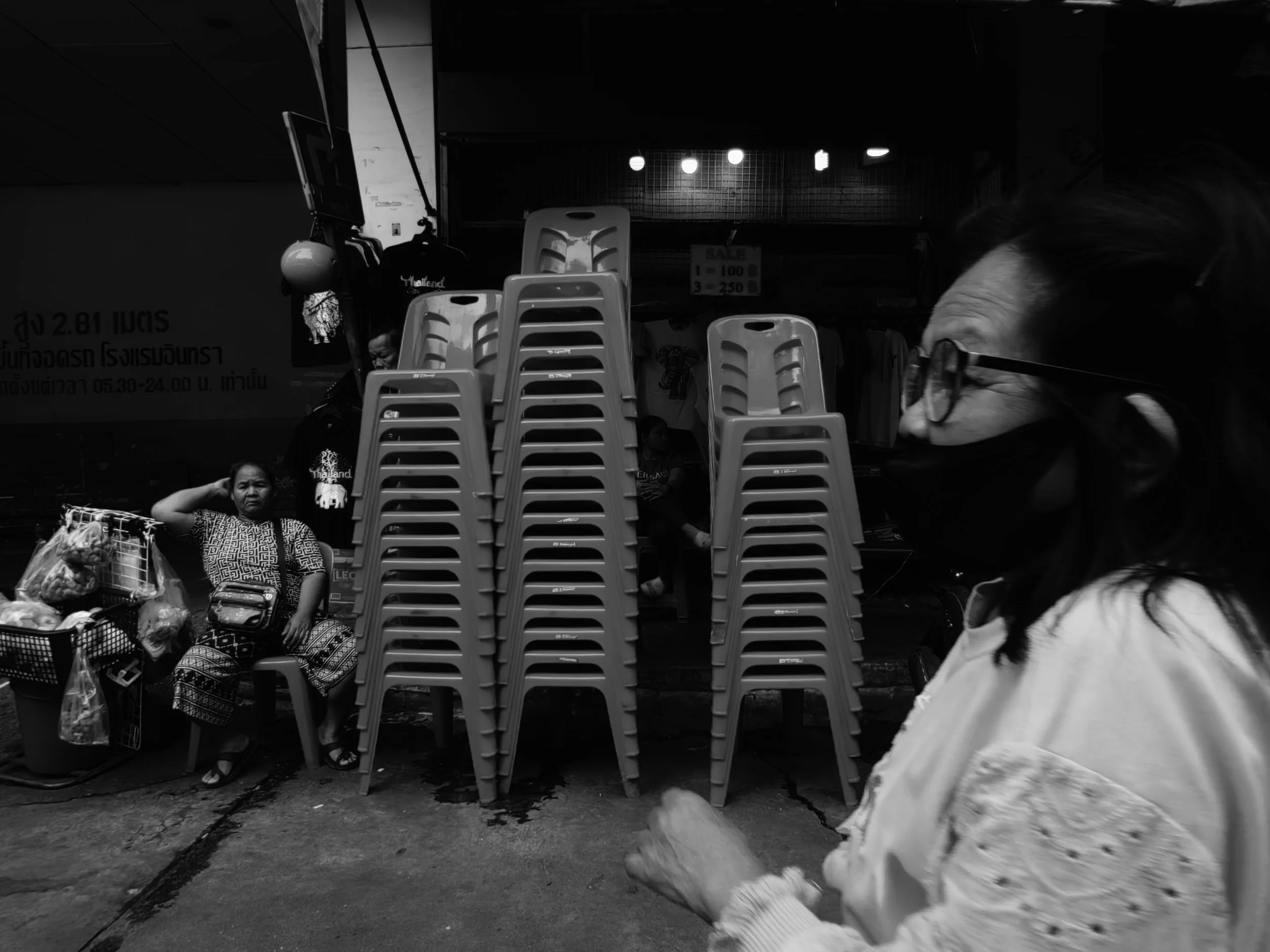
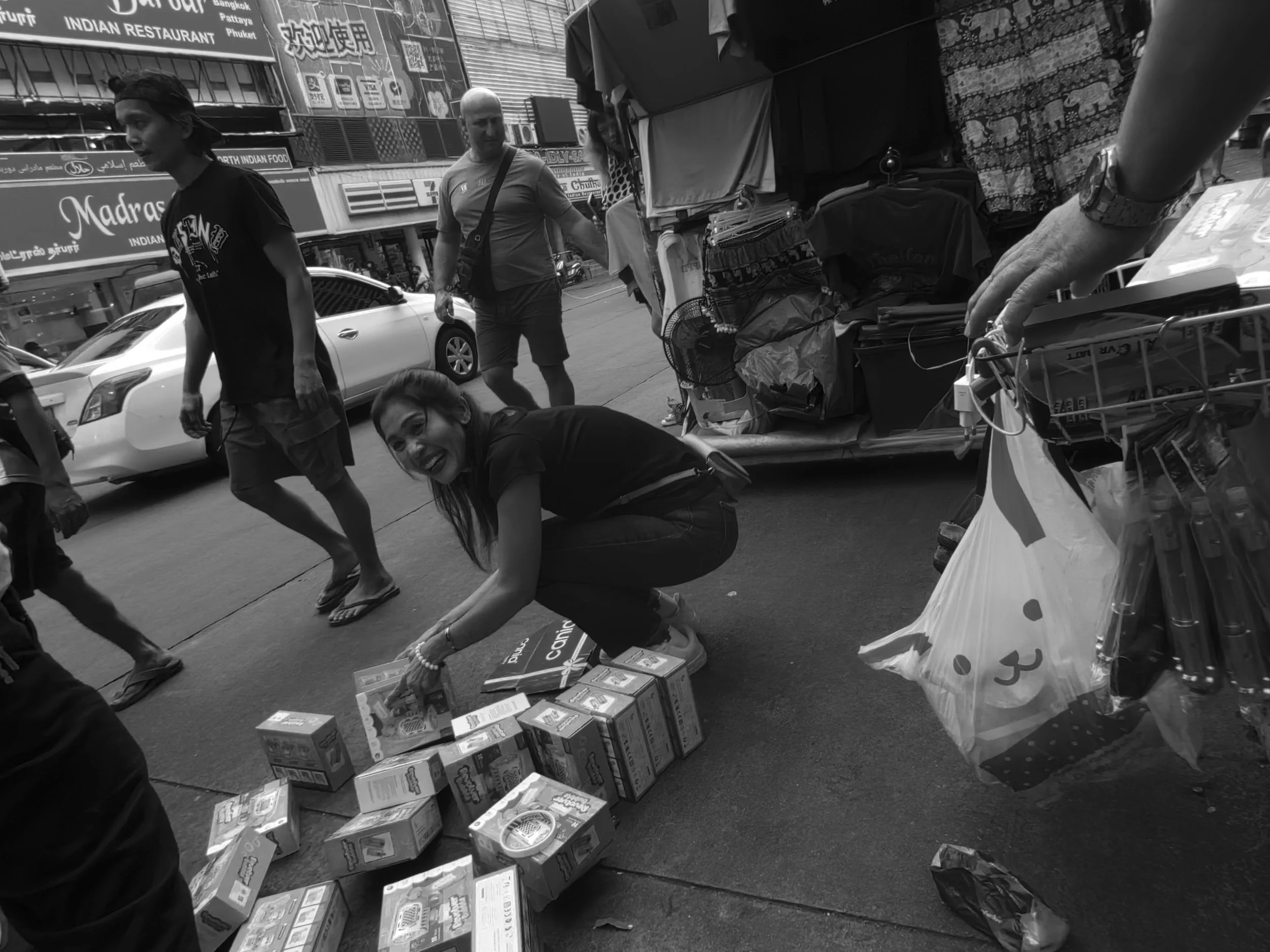
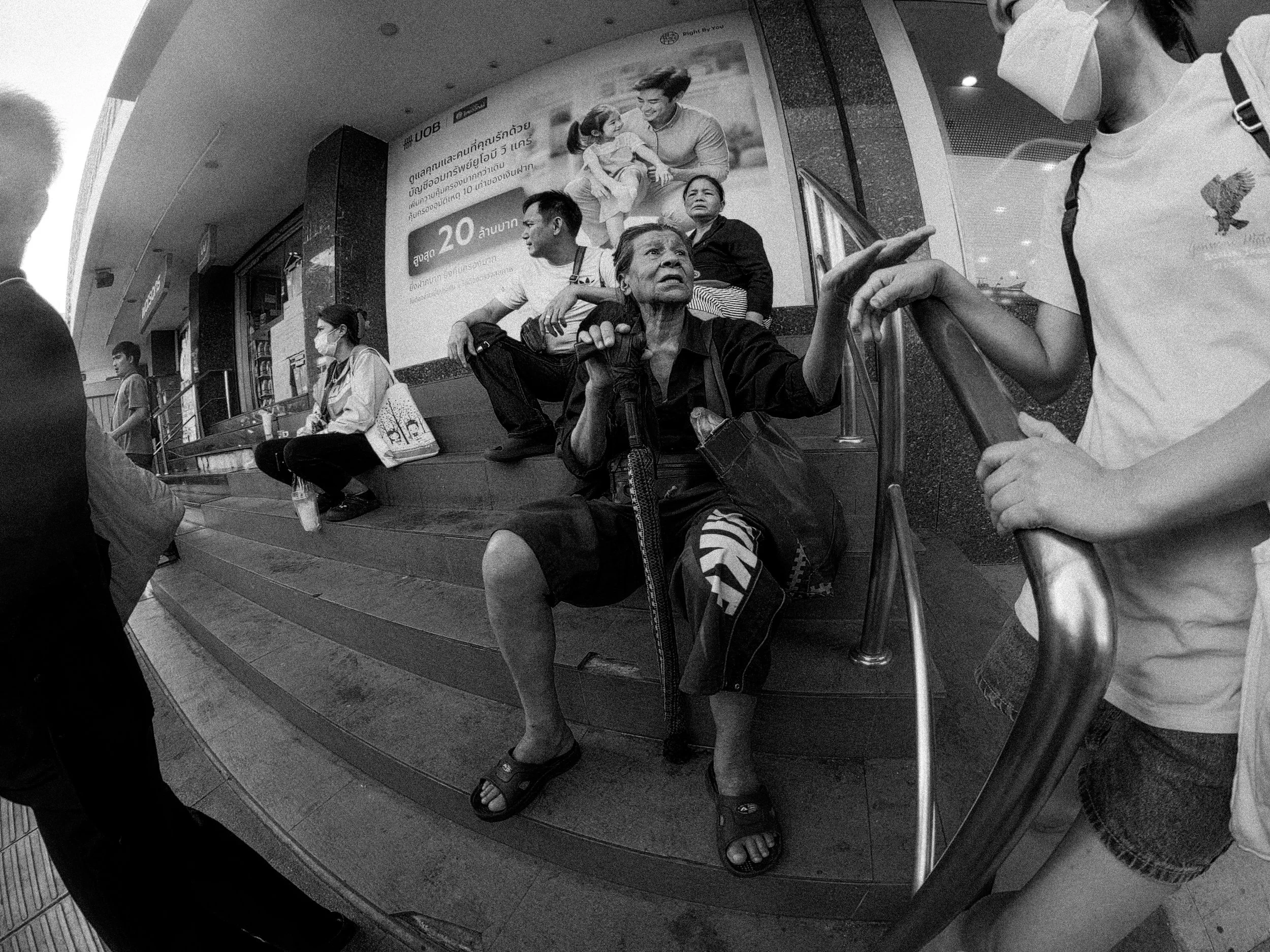
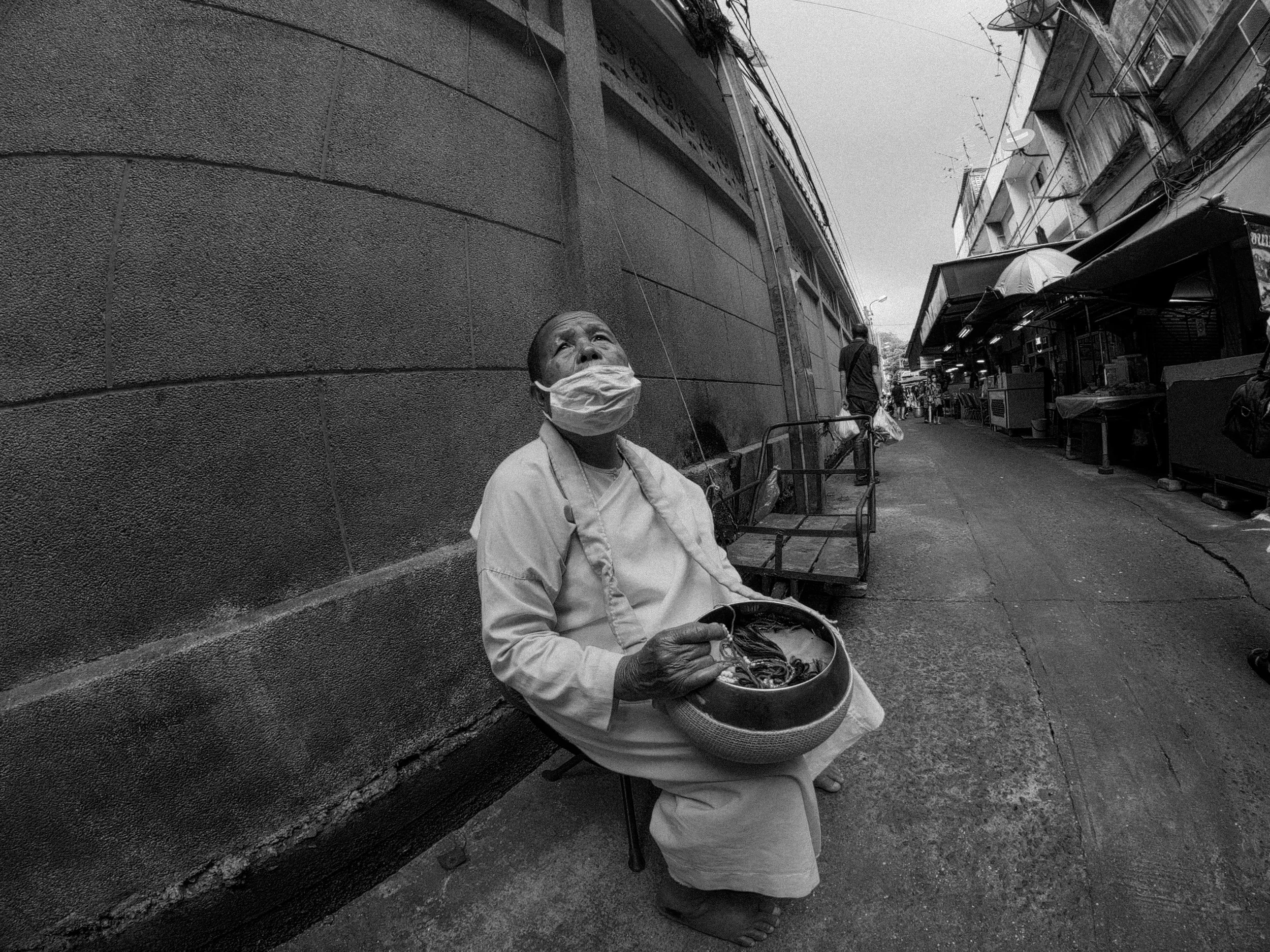
I have a few goals for experimentation with this camera. The first pretty obvious one is to see how well this actually functions for street photography. Lately, I've really wanted to experiment and create more variety in my work. Using something totally different from what I normally would seems like a great way of achieving that goal. I’ve never considered using an action cam to take photos in my life, but based on the amount of other decent photos I’ve seen others make with this camera specifically it seemed like it was worth trying out. And, for the most part I'm pretty happy with how a lot of these photos turned out and I had a lot of fun making taking these photos. I mostly relied on the fisheye lens to shoot in a way that was new to me and to attempt to make some images that stand out since fisheyes are so rarely used in street photography.
Ikko Narahara Fisheyes
One photographer who used fisheye for street was Ikko Narahara in a project titled Broadway New York. This project is a great example of how you can create something distinctive in places that have been photographed to death. This can help any of us since this is the case at even less than iconic locations at this point or if you live in a place with few worthwhile locations and you feel like you're at the end of your ability to create anything new there. Some of these images were created with fisheye lenses in a straightforward fashion. Others combine multiple low angle shots into an intersecting form in the shape of diamonds that are meant to transfer the strange energy that he felt on Broadway and no where else in the city saying that when the street was first established it was "supposed to have been nothing more than a path through the wilds of nature. And even today Broadway makes you feel as though you could glimpse the natural, spontaneous life energy it has possessed from its beginnings."
GOAL TWO:
The second thing that unique gear can do is force you to approach shots differently. Before this project, I thought I had gotten comfortable taking photos in close proximity with 28mm lenses, but using this fisheye completely changed my idea of what close proximity really is. When using extremely wide focal lengths, you have to get in close or there's way too much negative space and you're not really selling what makes the look of the lens stand out. The first few days of using this camera, I found that a lot of the images fell flat for that reason, but once I adjusted how I was shooting and got over my fear of getting in extremely close the look I was after came through a lot more distinctly. Fisheye might be considered a less serious focal length for street and I'm sure that's why it doesn't get used extensively, but I like the result of these images and going after them in this way gave me some stuff that can truly add to that variety I'm looking for while I take images at mostly the same locations day in and day out.
Koudelka Panoramas
After photographing the Gypsies project with a wind-angle lens Koudelka stated "When I understood that I don’t need any more wide-angle lens photos – that on the contrary there’s a repetition coming — I bought two Leicas and started to use a 35-millimeter lens and a 50-millimeter lens. I knew that the techniques will change the vision — if you change the technique" In the spirit of continuing changes in vision and technique, Koudelka chose to move to panoramic format in 1986 when he worked for a French organization whose goal was to "represent the French landscape of the 1980s." Koudelka chose to photograph these landscapes in a way that showed them in contrast to the industry that sat upon them. "I was always trying to find beauty in places where others don’t see it. Without taking up the environmental cause, I am pleased if my photographs draw attention to their violation."
Through panoramic photography Koudelka came away with hauntingly beautiful images that were significantly different from any of the work he had previously made. His vision and techniques shifted the subject matter he chose to photograph from people to places. Everything he photographed in for the French landscapes project was leaned into more heavily with future projects created between Poland, Germany, and the Czech Republic that show how industry impacted this region between 1972 and 1989.
In 1999, Koudelka's photobook titled Chaos was released. It continues his panoramic visions by displaying 108 images that he created over the course of 12 years. They are both horizontal and vertical panoramas that take the medium to another level since the format typically includes faroff landscapes and the serene. Thus the name Chaos is fitting. The images include texture shots of walls, toppled roman columns, and rundown soviet streets.
Later in his career when Koudelka switched from film to digital Leica created a one-of-a-kind panoramic version of the S2 for him. He decided to move to digital, because of the cost of film for panoramics and the impossibilities that Koudelka claims came with developing his choice of 220 film (a film with the same width as 120, but twice as much film and no backing paper that has mostly fallen out of use). “When Leica made a digital panoramic camera for me — which gave me a similar result to the analogue camera I was using before — I was very happy, because now I could pick up my camera, call my friends which I have all over the world, and just say, Can I sleep in your house?” “I no longer need to carry with me 35 kilograms, only about 10 kilograms, and I don’t need to go through the X-ray machines which I really dislike. So the digital camera makes it easier, and also more interesting.”
GOAL THREE:
The idea of printing physical copies of our work, whether it's for our own collection or to work towards a project is really valuable. It's hard to define exactly why, but having the tangible item in your hands makes a huge difference that you can only really understand if you experience it yourself. It's also something that I've heard is helpful in sequencing which is something I've wanted to experiment with for a long time, but keep putting off. So, when insta360 reached out about this project and mentioned the printer that it comes with the camera I thought it would be easy way to begin to understand how this works. They provided ink and paper to make 30 prints. So, I selected what I felt were the 30 strongest images from the week of photography, printed them out, and began the process of shuffling, reorganizing, looking for patterns, and landing on a sequence that best represents this project that I've turned into a digital zine that is now available on my Patreon along with a new video I recently released on Larry Clark, as well as, a few other videos from the last two months that are part of a series titled Taboo Topics which covers the work of problematic photographers that I wouldn't be able to post on YouTube. There is also a podcast taking deep dives into photography related literature and more coming soon. If you want to check it out the link is in the description.
Nakahira Takuma Circulation
The creation of this one week zine made me think of Nakahira Takuma's project titled Circulation. His project was a lot more hardcore in regard to how much he created in such a short span of time, but it shows us that there's a lot of value in forcing yourself to work in completely different ways in terms of seeing our final outputs in new and interesting ways instead of such precious things that take a really long time to make.
The methods Nakahira used to create what is fully titled Circulation: Date, Place, Events while taking part in an arts festival in Paris consisted of taking and printing images during each new day that he would then put on display while then removing and discarding the previous day's work. This was done to create images that he considered to have been created "live". He used the term circulation as the title to convey how he was circulating around the city to create this work, how the images circulated in and out of the darkroom before presenting themselves to viewers, and how those viewers circulated by the images while walking passed them as they were presented in an open air exhibition. According to Nakahira, "To put it concretely, I set myself to photograph, develop, and exhibit nothing but the Paris that I was living and experiencing. My project … was born from this motivation. Every day I would go out into the streets of Paris from my hotel. I would watch television, read newspapers and magazines, watch the people passing by, look at other artists’ works at the venue, and watch the people there looking at these works. I would capture all of these things on film, develop them the same day, make enlargements, and put them up for display that evening, often with the photographic prints still wet from the washing process."
GOAL FOUR:
Another aspect I enjoyed about this project is that this camera and printer have no barrier to entry and don't need to be taken so seriously. I'm normally drawn to more pretentious and dialed in photography that is really making somekind of statement, so much so that a lot of the time I kind of forget that photography and making things can just be fun. Not everyone is trying to be an award winning photographer and create images that truly say anything heavy. Sometimes you can just enjoy the experience. So, not having to develop, scan, and edit film which I usually do for the sake that there is a lot of heavy lifting involved, made this a good time and a nice change of pace.
Walker Evans Polaroids less serious polaroids
If you're open to the possibility that new creative processes can present themselves throughout your life and that fun and purpose through art can be had as long as you're alive and breathing look to Walker Evans for inspiration. At the age of 70, towards the end of Evans life he spent time experimenting with what was groundbreaking technology for the time in the form of a Polaroid SX-70. Evans along with others including Richard Avedon, Ansel Adams, and Walter Cronkite received both the camera and unlimited film from Polaroid to use and experiment with. Walker who was in failing health at the time would use the camera to create his last photos.
The instant results of the camera which he referred to lovingly as his "new toy" brought new life into Walker Evans creativity as it became the camera he would work with exclusively until his death. He stated "I feel strangely rejuvenated" in response to using the camera. The SX-70 took him back to the basics of what he shot on the street as a young man in Cuba including portraits, signs, posters, and a variety of miscellaneous items. One of his proteges referred to this period of creativity as "the strange and wonderful fruit of a late, unexpected harvest."
That unexpected harvest allowed Walker Evans to remain influential until the end. Teaching us to be openminded about our creativity. Evans had been vocal about his distaste for color photography for the larger part of his life, but gave it a chance through Polaroid film to create new and interesting work. He was skeptical about how seriously he could take the instant format, but gave it a chance and learned to love it.
GOAL FIVE:
The kitted out Insta360 Ace Pro II camera is kind of ridiculous with its waist level looking viewfinder and this attatchable grip that it comes with, but that is exactly what I love about it. It's what makes me want to use this to take photos which is something I've never wanted to do with an action cam before, but it still gets away with looking like an action cam enough that people seem to be more confused than anything when I take their photo with it. From the days I used this camera, it seemed like people usually thought I was taking some weird video of them instead of taking their photo. So, I don't think I've reached the limit of what I could do with this camera and you'll be seeing it here again, because as fun as this camera is and that fact that it doesn't have to be taken so seriously, doesn't mean that it can't be taken seriously and create some kind of serious project.
Andrei Kertesz Polaroids more serious polaroids
Andrei Kertesz is someone who realized that potential in a similar way with the polaroid projects he created near the end of his life. In his old age, after the passing of his wife Elizabeth—whom he had been extremely close to—Kertész entered a period of mourning and became somewhat of a recluse, withdrawing almost entirely to the confines of his apartment for several years. During this time, he was gifted a Polaroid SX-70. Some sources claim it was given to him by his friend, the musician and photographer Graham Nash; others suggest that Kertész was part of a group of photographers and artists who were provided the camera by Polaroid upon its release to experiment with and promote it—a group that included Ansel Adams, Andy Warhol, and Walker Evans, among others.
This new technology was mastered by the photographer in a similar fashion to how he had mastered the equipment used in his earlier work. It allowed Kertész to take photographs without the need to develop film—something he had been unable to do for many years due to physical limitations. The camera rejuvenated his spirit, offering him an easy and immediate way to create once again. Using the SX-70, he began to produce primarily still-life images taken around his apartment, featuring books, photographs of his earlier work, and a myriad of other objects as focal points. Many of these items were mementos he and his wife had collected over the years, and he used this newfound photographic process to work through his grief over Elizabeth's death. In regard to working with Polaroids Kertesz stated “I began shooting slowly, slowly, slowly. But soon, going crazy. I worked mornings and late afternoons. With the morning light the sky is nice, and in the late afternoon, full of variation. I would come out in the morning and shooting, shooting, shooting, no time to eat. I discover the time has gone, and no breakfast. The same in the afternoon… I forget my medicine. Suddenly, I’m losing myself, losing pain, losing hunger, and yes, losing the sadness.”
The resulting images are often abstract and surreal. Kertész’s emotional state is reflected in the recurring presence of two glass figurines, which appear to symbolize his marriage and his enduring love for his late wife. This body of work also stands as a testament to the power of lifelong learning and the ability to continually reinvent one's creative process through experimentation—even in later life. The images are not only beautiful, but they also demonstrate the power of creating art within the limitations of the tools available.
Closing
On this channel, I really only want to work on projects for gear that I believe can challenge me to create photos in new ways and I honestly fell in love with this camera through this process and would love to make a more extensive printed project once I get my hands on more of these photo paper cartridges.